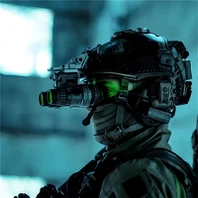


Thermal binoculars are specialized devices that allow users to detect heat signatures and view images based on the infrared radiation emitted by objects, rather than visible light. While these devices are predominantly used in low-light or no-light conditions, they are not exclusively limited to nighttime use. One of the most common questions about thermal binoculars is whether they work during the daytime. In this article, we will explore the functionality of thermal binoculars in daylight, discuss various factors that affect their performance, and address whether they can be effectively used in bright sunlight.

1. How Thermal Binoculars Work
Thermal binoculars rely on infrared sensors to detect heat signatures emitted by objects. Every object, regardless of its visibility to the human eye, emits infrared radiation (heat), and thermal cameras can detect this radiation and convert it into a visible image. This technology works independently of visible light and is unaffected by environmental lighting conditions.
Thermal vision works by detecting temperature differences between objects and their surroundings, allowing users to "see" heat. This is why thermal imaging is especially valuable for nocturnal and low-light environments, where traditional optical systems (like night vision) may struggle. The primary principle behind these devices is the detection of infrared radiation, which allows them to "see" animals, people, and objects that are otherwise invisible in the dark.
2. Thermal Binoculars in Daylight: Performance Factors
While thermal binoculars are primarily designed for low-light conditions, their performance in daylight can be influenced by several key factors:
Heat Radiation and Background Temperature
Thermal binoculars detect temperature differences, and during the daytime, the environment is typically warmer than at night due to sunlight. This can sometimes make it harder to distinguish objects, as the overall temperature of the environment is elevated. For example, in bright daylight, both the background and the objects being observed may have similar temperature levels, which can reduce the contrast of the thermal image.
In such conditions, objects that emit lower levels of heat (like wildlife or people) may be harder to distinguish from the background, especially if the objects blend with their surroundings. Additionally, direct sunlight can overheat certain objects, making them appear uniform in temperature and difficult to differentiate.
Dynamic Range and Sensor Quality
The quality of the thermal sensor is a critical factor in determining how well thermal binoculars can operate during daylight. High-end thermal cameras with advanced sensors offer a broader dynamic range, meaning they can detect smaller differences in temperature. These high-performance sensors can often still provide clear images in daylight by adjusting the sensitivity and range to focus on the most relevant temperature differences.
Lower-end thermal binoculars may struggle in bright sunlight, as their sensors are not as capable of distinguishing fine temperature differences, leading to poor contrast and image quality in daylight.
Optical Design and Calibration
Thermal binoculars are equipped with optical lenses designed to focus infrared radiation. In daylight conditions, lens coatings and optical design play a crucial role in minimizing the impact of sunlight and reducing lens flare, which can degrade the quality of the image. Some higher-end models feature advanced lens coatings that allow for better contrast and clarity in a range of lighting conditions, including bright sunlight.
Additionally, some thermal binoculars feature adjustable settings or built-in calibration to adapt the sensor's sensitivity to different temperature conditions. These settings help improve the clarity of the thermal image when used in daylight, ensuring that users can still detect objects with distinct heat signatures.
3. Uses of Thermal Binoculars in Daylight
Although thermal binoculars are primarily known for their low-light capabilities, they can still be useful in daylight for certain applications. Some common uses of thermal binoculars in daylight include:
Search and Rescue Operations
Thermal binoculars are valuable tools for search and rescue teams, as they help locate individuals who may be hidden under dense foliage or debris. In daylight conditions, the thermal contrast may be reduced, but the ability to detect heat signatures from a distance still provides a significant advantage. These binoculars can be used to scan large areas, allowing rescue teams to identify individuals based on their body heat, even if they are hidden or obscured from view.
Wildlife Monitoring
Thermal binoculars are used in wildlife observation, particularly for tracking animals in their natural habitat. During the day, thermal binoculars can still be useful for locating animals that may be hidden in the underbrush or among tall grass. While the performance may be slightly reduced compared to nighttime, animals, especially mammals and birds, emit enough heat to be distinguishable from the environment.
Surveillance and Security
Thermal binoculars are commonly used in surveillance and security applications. In daylight, thermal imaging can help security personnel spot intruders or unusual activity based on the heat signatures of people or vehicles. For example, in outdoor security settings, thermal binoculars can detect unauthorized individuals crossing fences or entering restricted areas, even if they are not directly visible to the naked eye.
4. Limitations of Thermal Binoculars in Daylight
While thermal binoculars can function in daylight, there are several limitations that may affect their usefulness in bright sunlight:
Reduced Contrast and Clarity
The contrast between objects and the environment is generally lower in daylight, especially when the temperature difference between objects and the surrounding environment is minimal. This can make it challenging to see fine details or differentiate between objects. In some cases, thermal imaging may show everything as a similar shade of color, making it harder to identify specific objects.
Overheating and Saturation
Thermal sensors are designed to detect temperature differences, but if the temperature of the scene is too uniform (as it often is in sunlight), the thermal image may become oversaturated. For example, the ground, trees, and other objects may all appear equally hot, leading to a lack of contrast and making it difficult to discern heat signatures.
Battery Life and Power Consumption
In bright sunlight, thermal binoculars may experience higher power consumption due to the need for higher sensor sensitivity to adjust for the intense light. This can lead to faster battery drain. Some thermal devices also require additional cooling mechanisms to prevent overheating during extended use, which can further reduce their battery life.
5. Hangzhou Huirui Technology Co., Ltd.
Hangzhou Huirui Technology Co., Ltd. is a leading provider of advanced thermal imaging solutions, specializing in the development and manufacture of high-performance thermal binoculars. With a commitment to innovation and quality, the company designs products that are used across a wide range of industries, including security, defense, search and rescue, and wildlife monitoring. Their thermal binoculars feature cutting-edge sensors, advanced lens technology, and durable designs, making them suitable for both nighttime and daytime use. Huirui Technology continues to push the boundaries of thermal imaging technology, offering reliable solutions that enhance the safety and efficiency of users in various demanding environments.
6. Conclusion
Thermal binoculars do work in daylight, but their performance can be influenced by factors such as ambient temperature, sensor quality, and lens design. While they are more effective in low-light and nighttime conditions, modern thermal binoculars with high-quality sensors and adjustable settings can still provide useful imagery during daylight. For professional applications such as search and rescue, wildlife monitoring, and security surveillance, thermal binoculars remain an essential tool, even in bright sunlight. However, users should be aware of the potential limitations, such as reduced contrast and image clarity, when using these devices during the day.