
The noise equivalent temperature difference (NETD) is a crucial parameter when it comes to evaluating the performance of uncooled camera cores. As a leading supplier of Uncooled Camera Cores, we understand the significance of NETD and its impact on the overall functionality of thermal imaging devices. In this blog post, we will delve into what NETD is, how it is measured, and why it matters in the context of our uncooled camera cores.
What is Noise Equivalent Temperature Difference (NETD)?
NETD is a measure of the sensitivity of a thermal imaging system. It represents the smallest temperature difference that a thermal camera can detect. In simpler terms, it tells us how well a camera can distinguish between two objects with slightly different temperatures. A lower NETD value indicates a more sensitive camera, capable of detecting even the slightest temperature variations.
To put it into perspective, imagine you are using a thermal camera to detect a person hiding in the dark. The person's body temperature is slightly higher than the surrounding environment. A camera with a low NETD will be able to clearly distinguish the person from the background, while a camera with a high NETD may struggle to pick up the subtle temperature difference, resulting in a less clear image.
How is NETD Measured?
The measurement of NETD involves a standardized process. Typically, a blackbody radiator is used as a reference source. The blackbody emits a known amount of thermal radiation at a specific temperature. The thermal camera is then pointed at the blackbody, and the output signal of the camera is measured.
The measurement is carried out under specific conditions, such as a constant ambient temperature and a specific distance between the camera and the blackbody. The camera's output signal is analyzed to determine the noise level. The NETD is then calculated as the ratio of the noise level to the responsivity of the camera.


Responsivity refers to the change in the camera's output signal for a given change in the input thermal radiation. A higher responsivity means that the camera is more sensitive to changes in temperature. By dividing the noise level by the responsivity, we can obtain the NETD value, which is usually expressed in millikelvins (mK).
Why Does NETD Matter for Uncooled Camera Cores?
In the world of thermal imaging, the quality of the image is of utmost importance. Whether it's for security surveillance, industrial inspection, or scientific research, users rely on clear and accurate thermal images to make informed decisions. This is where NETD plays a crucial role.
1. Image Clarity
A low NETD value ensures that the thermal camera can capture fine details and subtle temperature differences. This results in a clearer and more detailed image. For example, in industrial applications, a camera with a low NETD can detect small hotspots in electrical equipment, which may indicate potential faults or malfunctions. By identifying these issues early on, preventive maintenance can be carried out, reducing the risk of costly breakdowns.
2. Detection Range
The sensitivity of the camera, as determined by the NETD, also affects its detection range. A more sensitive camera can detect objects at a greater distance. This is particularly important in security and surveillance applications, where the ability to detect intruders or suspicious activities from a distance is crucial.
3. Application Suitability
Different applications have different requirements for NETD. For high - end applications such as military and scientific research, a very low NETD is often required to achieve the desired level of accuracy. On the other hand, for some consumer - grade applications, a slightly higher NETD may be acceptable, as long as the camera can still provide useful information.
Our Uncooled Camera Cores and NETD
As a supplier of Uncooled Camera Cores, we are committed to providing high - quality products with excellent NETD performance. Our research and development team continuously works on improving the technology to reduce the NETD of our camera cores.
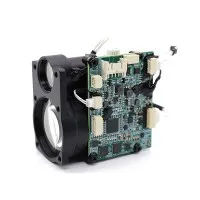
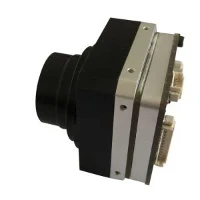
We offer a wide range of uncooled camera cores, including OEM Thermal Camera Modules, LWIR Micro Thermal Camera Module, and Thermal Camera Cores. Each of these products is designed to meet the specific needs of different applications.
Our camera cores are manufactured using state - of - the - art technology and high - quality materials. This ensures that they have a low noise level and high responsivity, resulting in a low NETD value. Whether you need a camera core for a small, portable device or a large - scale industrial system, we have the right solution for you.
Factors Affecting NETD in Our Camera Cores
Several factors can affect the NETD of our uncooled camera cores. These include:
1. Detector Technology
The type of detector used in the camera core has a significant impact on the NETD. We use advanced detector technologies that are designed to minimize noise and maximize responsivity. For example, our microbolometer detectors are known for their high performance and stability.
2. Signal Processing
The signal processing algorithms implemented in our camera cores play a crucial role in reducing the noise level. Our engineers have developed sophisticated algorithms that can effectively filter out noise and enhance the signal, resulting in a lower NETD.
3. Environmental Conditions
The ambient temperature and humidity can also affect the NETD. Our camera cores are designed to operate within a wide range of environmental conditions. However, extreme temperatures or high humidity levels may have a slight impact on the performance. To mitigate this, we provide temperature compensation mechanisms in our products to ensure consistent performance.
Comparing NETD Across Different Products
When choosing an uncooled camera core, it's important to compare the NETD values of different products. However, it's also important to consider other factors such as the resolution, frame rate, and cost.
A camera core with a very low NETD may be more expensive than a core with a slightly higher NETD. Therefore, you need to strike a balance between the performance and the cost based on your specific application requirements.
We offer a variety of camera cores with different NETD values and performance characteristics. Our sales team can help you select the most suitable product for your needs.
Contact Us for Procurement and洽谈
If you are interested in purchasing our uncooled camera cores, we encourage you to contact us. Our team of experts is ready to assist you with any questions you may have regarding our products, including the NETD performance. We can also provide you with detailed product specifications, pricing information, and samples if needed.
Whether you are a system integrator, an original equipment manufacturer (OEM), or a researcher, we are committed to providing you with the best - in - class uncooled camera cores and excellent customer service.
References
- "Thermal Imaging Handbook" by some well - known author in the thermal imaging field
- Industry standards related to the measurement of NETD, such as relevant ISO or IEC standards.