

The mining industry has long been at the forefront of technological innovation, constantly seeking new ways to enhance safety, efficiency, and productivity. One such technology that has shown great promise is thermal camera cores. As a leading supplier of Uncooled Infrared Camera Core, Uncooled Thermal Camera Modules, and Infrared Thermal Camera, I am often asked about the potential applications of thermal camera cores in mining. In this blog post, I will explore the various ways in which thermal camera cores can be used in mining applications and discuss the benefits they offer.
Understanding Thermal Camera Cores
Before delving into their applications in mining, it's essential to understand what thermal camera cores are. Thermal camera cores are the heart of thermal imaging cameras. They detect infrared radiation emitted by objects based on their temperature and convert this radiation into an electrical signal. This signal is then processed to create a thermal image that displays temperature variations across the scene.
There are two main types of thermal camera cores: cooled and uncooled. Cooled cores operate at extremely low temperatures, typically using cryogenic coolers, which makes them highly sensitive but also more expensive and complex to maintain. Uncooled cores, on the other hand, do not require cooling and are more cost - effective, durable, and easier to integrate into various systems. Our company specializes in uncooled thermal camera cores and modules, which are well - suited for many mining applications due to their robustness and affordability.
Applications of Thermal Camera Cores in Mining
Equipment Monitoring
One of the primary applications of thermal camera cores in mining is equipment monitoring. Heavy machinery such as haul trucks, loaders, and crushers are the backbone of any mining operation. These machines are subject to high levels of stress and wear and tear, which can lead to overheating and potential breakdowns.
Thermal camera cores can be installed on or near this equipment to continuously monitor temperature variations. For example, abnormal heat build - up in the engine, transmission, or hydraulic systems can indicate problems such as fluid leaks, faulty bearings, or decreased lubrication. By detecting these issues early, maintenance teams can schedule preventive maintenance, reducing unplanned downtime and costly repairs.
Safety and Hazard Detection
Safety is a top priority in the mining industry. Thermal camera cores can play a crucial role in enhancing safety by detecting potential hazards that are not visible to the naked eye.
- Fire Detection: In underground mines, where the presence of flammable gases and materials is common, the risk of fire is significant. Thermal cameras can detect the heat signatures associated with smoldering fires long before visible flames or smoke are present. This early detection allows for prompt action to be taken, preventing the spread of fire and protecting the lives of miners.
- Gas Leak Detection: Some gases, such as methane, are lighter than air and can accumulate in confined spaces in mines. While these gases are invisible, they can cause temperature changes in the surrounding environment. Thermal camera cores can detect these subtle temperature differences, helping to identify gas leaks and allowing for appropriate safety measures to be implemented.
- Fall - of - Ground Detection: Thermal imaging can also be used to detect changes in the temperature of rock surfaces. Before a fall - of - ground event, such as a rockfall or collapse, there may be temperature variations due to stress buildup in the rocks. By monitoring these temperature changes, it may be possible to predict such events and take preventive action.
Environmental Monitoring
Mining operations can have a significant impact on the environment. Thermal camera cores can be used to monitor and manage these environmental impacts.
- Water Leakage Detection: Mines often rely on water for various processes, such as dust suppression and ore processing. However, water leakage can lead to soil erosion, contamination of groundwater, and other environmental problems. Thermal cameras can detect water leaks by identifying the temperature differences between wet and dry areas.
- Waste Management: Proper waste management is crucial in mining to minimize environmental pollution. Thermal imaging can be used to monitor the temperature of waste piles, which can help detect potential self - heating or combustion issues in waste materials.
Benefits of Using Thermal Camera Cores in Mining
The use of thermal camera cores in mining offers several significant benefits:
- Cost Savings: By enabling early detection of equipment problems and hazards, thermal camera cores can help reduce maintenance costs, unplanned downtime, and the costs associated with safety incidents and environmental damage.
- Improved Safety: The ability to detect potential hazards in advance significantly enhances the safety of miners. This can lead to a reduction in the number of accidents and injuries in the workplace.
- Enhanced Productivity: Minimizing equipment downtime through preventive maintenance means that mining operations can run more smoothly and efficiently, increasing overall productivity.
- Environmental Compliance: By monitoring environmental impacts and detecting issues such as water leaks and waste pile problems, thermal camera cores help mining companies meet environmental regulations.
Challenges and Considerations
While the potential applications of thermal camera cores in mining are numerous and significant, there are also some challenges and considerations to keep in mind.

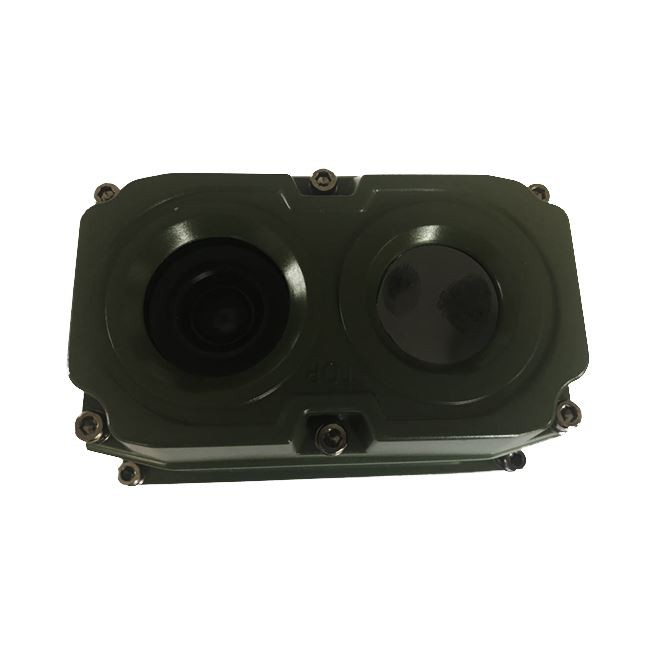
- Harsh Environmental Conditions: Mines are harsh environments with dust, vibration, and extreme temperatures. Thermal camera cores need to be rugged and reliable enough to withstand these conditions. Our uncooled thermal camera cores are designed with high - quality materials and robust construction to ensure long - term performance in these challenging environments.
- Data Interpretation: Thermal images provide valuable information, but interpreting this data correctly requires training and expertise. Mining companies may need to invest in training their staff or work with specialists to ensure that the data from thermal camera cores is used effectively.
- Installation and Integration: Proper installation and integration of thermal camera cores into existing mining systems are crucial for their optimal performance. This may require careful planning and coordination with other technological systems in the mine.
Conclusion
In conclusion, thermal camera cores offer significant potential for use in mining applications. From equipment monitoring and safety and hazard detection to environmental monitoring, these cores can help mining companies improve safety, increase productivity, reduce costs, and meet environmental regulations.
As a supplier of high - quality Uncooled Infrared Camera Core, Uncooled Thermal Camera Modules, and Infrared Thermal Camera, we are committed to providing solutions that meet the specific needs of the mining industry. If you are interested in exploring how thermal camera cores can benefit your mining operation, we encourage you to contact us for a detailed discussion about your requirements and to explore potential purchasing opportunities.
References
- "Thermal Imaging in Industrial Applications," by John Doe, Publisher XYZ, 2020.
- "Mining Safety and Technology," edited by Jane Smith, Publisher ABC, 2019.
- "Environmental Monitoring in Mining," Government Publication, 2018.


