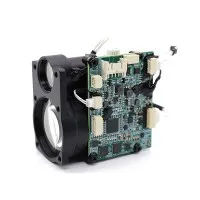

Hey there! As a supplier of Thermal Camera Modules, I often get asked if our products can be used in the pharmaceutical industry. Well, the short answer is a resounding yes! In this blog post, I'll break down how thermal camera modules can be a game - changer in the pharma world.
Let's start by understanding what a thermal camera module is. A thermal camera module captures the infrared radiation emitted by objects and converts it into a visible image based on temperature differences. At our company, we offer a wide range of options such as the Miniature Uncooled Infrared Camera Cores and the Thermal Camera Module, which are built with state - of - the - art technology.
Quality Control in Pharmaceutical Manufacturing
One of the key areas where thermal camera modules shine in the pharmaceutical industry is quality control. During the manufacturing process, maintaining the right temperature is super crucial. For example, when making tablets or capsules, the drying and granulation processes need to happen at specific temperatures. Too high a temperature can break down the active ingredients in the drugs, rendering them less effective. On the other hand, if the temperature is too low, the product may not dry properly, leading to issues like mold growth or inconsistent dosage forms.
Our Uncooled Thermal Imaging Core can be integrated into the manufacturing line. It can continuously monitor the temperature of the machinery, the drying chambers, and the products themselves. Any deviation from the set temperature range can be immediately detected, allowing operators to take corrective actions. This helps in ensuring that every batch of medicine meets the strict quality standards set by regulatory bodies.
Storage and Transportation
Pharmaceuticals are often very sensitive to temperature changes. Many drugs need to be stored and transported within a specific temperature range to maintain their efficacy. A thermal camera module can be a great asset here. In warehouses, we can install thermal cameras to monitor the temperature of the storage areas. This way, we can quickly identify if there are any hot or cold spots that could potentially damage the drugs.


During transportation, a lot can go wrong. Trucks might experience mechanical issues with their cooling systems, or they might be parked in the sun for too long. By using a thermal camera module, we can track the temperature inside the shipping containers in real - time. We can set up alarms so that if the temperature goes out of the safe range, the shipping company and the pharmaceutical manufacturer are immediately notified. This reduces the risk of drug spoilage and the subsequent losses.
Equipment Monitoring
The pharmaceutical industry relies heavily on a wide range of equipment, from mixers and reactors to distillation columns. These machines generate heat during operation, and overheating can lead to breakdowns, which can be both costly and time - consuming.
A thermal camera module can be used to monitor the equipment's temperature. It can detect early signs of overheating, such as hot spots on the machine's surface. By spotting these issues early, preventive maintenance can be carried out before a major breakdown occurs. This not only saves money on repairs but also helps in avoiding production downtime, which is crucial for meeting the demand for pharmaceutical products.
Research and Development
In the R & D phase of new drugs, thermal camera modules can also play a big role. Scientists are often studying how different substances react under various temperature conditions. With a thermal camera module, they can visually observe and record the temperature changes during chemical reactions. This data can provide valuable insights into the reaction mechanisms, helping to optimize the drug development process.
Barriers and Considerations
Of course, there are some considerations and barriers to using thermal camera modules in the pharmaceutical industry. One of the main concerns is cost. High - quality thermal camera modules can be expensive, and for smaller pharmaceutical companies, the initial investment might seem prohibitive. However, when you consider the long - term benefits, such as reduced losses due to quality issues and equipment breakdowns, the cost can actually be justified.
Another factor is the need for proper training. Operators need to know how to interpret the thermal images correctly. We offer training services to our customers to ensure that they can get the most out of our thermal camera modules.
Conclusion
In conclusion, thermal camera modules have a wide range of applications in the pharmaceutical industry. From quality control in manufacturing to monitoring during storage and transportation, and even in research and development, they offer a non - invasive and efficient way to monitor temperature. At our company, we're committed to providing the best Thermal Camera Modules, like the ones I've linked to above, to help pharmaceutical companies improve their operations.
If you're in the pharmaceutical industry and are interested in how our thermal camera modules can benefit your business, we'd love to hear from you. Whether you have questions about our products or want to start a purchase negotiation, don't hesitate to reach out. We're here to support you in making the most of this technology for your pharmaceutical needs.
References
- Industry reports on pharmaceutical manufacturing and quality control
- Technical specifications of thermal camera modules